

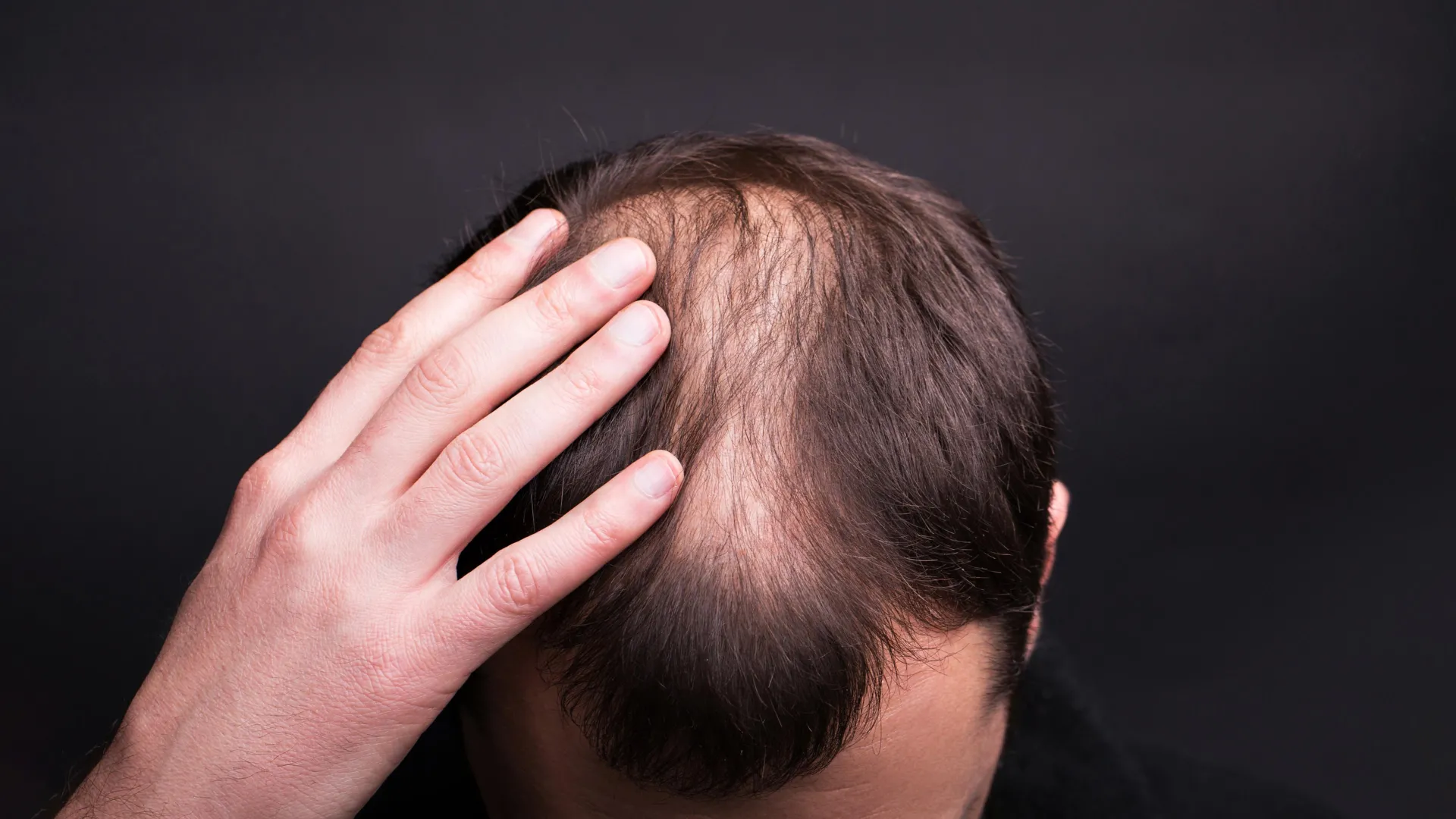
Decades of biology textbooks have been teaching the wrong explanation for how human hair grows, according to groundbreaking new research that reveals hair is pulled upward by surrounding tissue rather than pushed out from the root as previously believed.
A Revolutionary Discovery in Human Biology
Researchers from L’Oreal Research & Innovation and Queen Mary University of London used advanced 3D live imaging to observe individual cells inside living human hair follicles maintained in laboratory culture. Their findings, published in Nature Communications, showed that cells in the outer root sheath—a layer encasing the hair shaft—create an upward pulling force that acts almost like a tiny motor. Dr. Ines Sequeira, Reader in Oral and Skin Biology at Queen Mary and one of the lead authors, described the process as a fascinating choreography inside the hair follicle that challenges fundamental assumptions held for generations.
How Scientists Proved the Traditional Theory Wrong
The research team conducted experiments that directly tested the old model. When they blocked cell division inside the follicle—which should have stopped growth if the pushing theory were correct—the follicles continued growing hair at nearly the same rate. However, when researchers interfered with actin, a protein that allows cells to contract and move, hair growth slowed dramatically by more than 80 percent. Computer simulations confirmed that the pulling force created by coordinated movement in the outer layers of the follicle was necessary to match observed growth speeds. Dr. Nicolas Tissot, the first author from L’Oreal’s Advanced Research team, explained that their novel 3D time-lapse microscopy method was indispensable for unraveling the intricate, dynamic biological processes within the hair follicle.
New Hope for Hair Loss Treatment
This discovery could revolutionize how researchers approach hair loss and hair regeneration. Understanding the physical forces inside follicles may help scientists design treatments that target both the mechanical and biochemical environment of the follicle. The new imaging approach also allows scientists to test potential drugs and therapies on living follicles, opening doors for advances in tissue engineering and regenerative medicine. The study demonstrates how tiny mechanical forces at the microscopic level can shape the growth and behavior of structures in the human body, highlighting the expanding influence of biophysics in modern biology and offering renewed optimism for millions of Americans experiencing hair loss.
Sources
Sciencedaily: Textbooks were wrong: Scientists reveal the surprising way human hair really grows