
Florida’s governor urged people in evacuation zones to leave as Hurricane Isaias threatened deadly storm surge along the Panhandle.
Story Highlights
- Governor Ron DeSantis told residents in evacuation zones to leave before conditions worsened.
- Officials warned storm surge, not just wind, posed the greatest danger to life.
- Multiple Panhandle counties carried evacuation orders ahead of landfall.
- National Hurricane Center guidance flagged heavy rain, flooding, and strong winds near Destin.
DeSantis Urges Evacuations Ahead of Storm Surge Threat
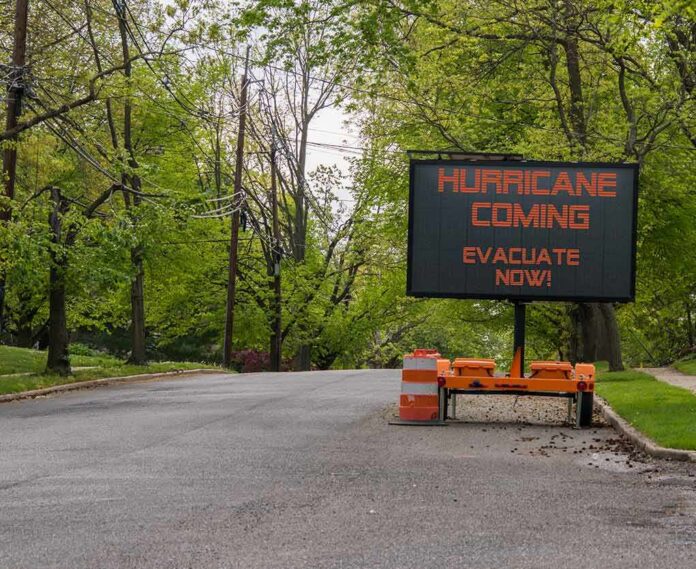
Citing a life-threatening surge risk, Governor Ron DeSantis told residents in marked evacuation zones to get out before the storm hit. He said people needed to move early, while roads were passable and services were still online. He stressed that water kills, and that storm surge can trap families who wait too long. He echoed a long-standing hurricane rule: hide from the wind, run from the water. His message aimed at those in low areas, barrier islands, and surge-prone zones.
Reporters noted that local officials had already issued evacuation orders across several Florida Panhandle counties. Those included Bay, Escambia, Okaloosa, Santa Rosa, Walton, Franklin, and Gulf. The governor’s warning backed those local moves and sought to speed departures before the worst weather arrived. DeSantis also warned residents to plan for power outages and damaged roads as the storm neared the coast, underscoring the narrow window for safe travel.
Forecasts Pointed to Landfall Near Destin With Dangerous Conditions
National Hurricane Center products showed a serious threat to the Panhandle. Forecasts highlighted four to eight inches of rain with flash and urban flooding possible. Local statements identified the Destin area for landfall and warned about strong winds and surge. Officials prepared for a major coastal hit, with fast-rising water in bays and sounds. This track placed barrier islands and low-lying communities at higher risk from both push-in water and cut-off escape routes during peak tides.
Cable and financial news coverage reported expectations of a powerful hurricane at or near Category Three strength approaching the Gulf Coast. Those reports matched the timing of DeSantis’s call to evacuate and his warning to assume power loss. They also reflected the state’s push to move people early, before feeder bands and squalls made driving dangerous. After landfall, national networks emphasized that the surge remained the top life threat for anyone who stayed behind.
How Florida’s Evacuations Work and What Residents Should Do
Florida’s hurricane system relies on counties to draw evacuation zones and issue orders. The state supports those local calls with traffic control, shelters, and messaging. In this case, several Panhandle counties activated orders for barrier islands, low-lying areas, and mobile homes, while the governor amplified their alerts to reach holdouts. This layered approach helps move people in the most danger first. It also keeps evacuation routes clear by focusing on zones, not entire regions at once.
🚨 BREAKING: Floodwaters are rushing into Florida’s Panhandle near Destin as Hurricane Isaias makes landfall, raising concerns for residents along the coastline.
Florida Governor Ron DeSantis is at the state’s Emergency Operations Center as officials monitor the situation and… pic.twitter.com/PxrKK9Hjjk
— Profilo politics (@profilopolitics) October 10, 2026
Residents in any evacuation zone should follow three simple steps. First, leave as soon as local officials direct you to go. Roads get risky fast when bands arrive. Second, bring essentials like medicines, documents, and supplies for three days. Third, tell family where you are going and do not drive through water. DeSantis’s push to evacuate early aligned with these safety basics, which have saved lives in past Florida storms.
Why This Matters to Families and Communities
Storm surge can tear apart homes, flood cars, and strand families on upper floors. First responders may not reach those areas once winds and water rise. DeSantis’s message asked people to put life first and property second. The National Hurricane Center’s warnings supported that focus on surge and flooding, not just wind speed labels. For coastal communities that value faith, family, and freedom, leaving early protects loved ones and eases the load on neighbors and local rescue crews.
Sources:
thegatewaypundit.com, nhc.noaa.gov, abcnews.com