
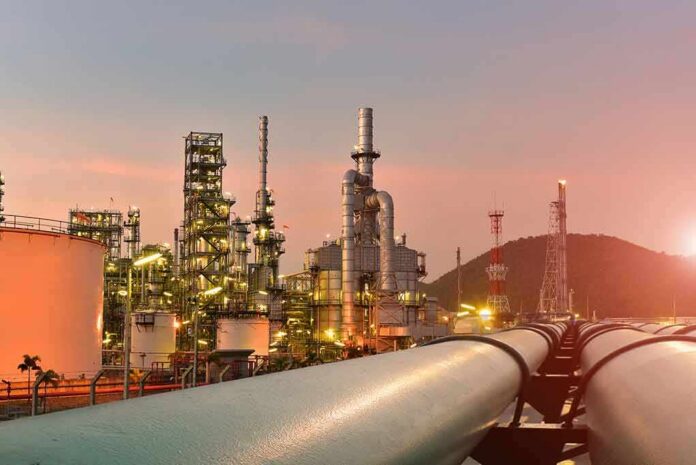
Iran’s foreign ministry warned that “any escalation” will bring “consequences,” and said its “hands are not tied,” while threats now openly target Gulf energy, power, and water infrastructure.
Story Highlights
- Tehran signaled it may strike oil, power, and water sites across the Gulf if tensions rise.
- Iran’s spokesman said escalation would have consequences and that options are not limited.
- Reports describe warnings to Gulf states to press Washington to stop strikes or face hits.
- Gulf governments publicly condemn Iranian attacks and seek to avoid wider war.
Iran’s Warning and What It Targets
Iran’s foreign ministry escalated its language as regional tensions rose in late August. Spokesman Esmail Baghaei said, “Any escalation of this situation will undoubtedly bring about consequences. Our hands are not tied,” signaling Tehran’s intent to respond on its own terms. Separate reporting describes a broader target set. Iranian officials and aligned messaging have tied retaliation to energy facilities, power grids, and water infrastructure across Gulf states if Iran is hit again by the United States.
Reuters detailed Iran’s threat framing through sourced reporting. Those accounts say a new United States strike on Iranian territory could trigger attacks on refineries, electricity networks, water systems, transport links, and oil fields across the region. A follow-on dispatch added that Iran warned Gulf states to press Washington to halt strikes or face hits on their oil, power, and water plants, showing a coercive push on neighbors as well as on the United States.
Why Energy And Water Sites Matter
Energy and water systems form the backbone of daily life in the Gulf. Oil and gas sites fuel global supply, while desalination plants provide most drinking water in several countries. Prior crises already showed that threats to these assets can drive price spikes and sow panic. The United States Congressional Research Service has long warned that disruptions may include strikes on production, storage, refining, pipelines, and export hubs, not only shipping lanes like the Strait of Hormuz.
Iranian military and political voices have also framed energy and water assets as “legitimate targets” in a tit-for-tat cycle. A public threat earlier this year linked any strike on Iranian infrastructure with retaliation against vital regional sites, including desalination plants needed for drinking water. This rhetoric aims to raise costs on U.S. allies and to deter attacks by signaling wider pain. The pattern fits past coercive signaling, but today’s claims describe a larger, more public target set.
How Gulf Capitals Are Responding
Regional governments show a split between public restraint and hard-nosed demands. Gulf states condemned repeated Iranian strikes as violations of sovereignty and a direct threat to stability, and Qatar called the barrages a dangerous escalation. At the same time, Gulf sources told Reuters they want Iran’s ability to “weaponize” Hormuz ended for good, pushing Washington to degrade Tehran’s missile and drone threats so oil flows cannot be held hostage again. The United Arab Emirates stressed it does not seek escalation, while reserving self-defense rights.
Iran Vows to Defy US Economic Sanctions, Hints at Military Escalation
Iran vows to defy new US economic sanctions, warning of potential military escalation and disruption to oil shipments in the Persian Gulf.https://t.co/opyOWPp2fE pic.twitter.com/RKwT24q6m2
— CNWF.NET (@cnwf_net) August 24, 2026
Some analysts caution that Tehran often uses dramatic language to build pressure. Commentary cited by regional media argues that Iran sometimes issues exaggerated threats for psychological effect, not always as a prelude to action. Still, the named warnings and the target classes described by Reuters indicate a real coercion campaign exists. The core evidence remains conditional—“if” and “would”—and does not prove an attack order. But it is credible enough that Gulf leaders are adjusting risk plans and asking the United States to reduce Iran’s strike options.
What This Means For Americans
American families feel any oil shock fast, at the pump and in power bills. If Iran hits regional energy or water sites, markets could jump, and shipping insurance and supply chains could strain. That feeds inflation and squeezes retirees and working families again. President Trump’s team must keep pressure on Tehran’s network while guarding energy flows and hardening key routes. Deterrence works best when our adversary knows we are ready, our allies stay firm, and our critical supply lines are protected.
Bottom Line For U.S. Policy
Tehran says its “hands are not tied,” and has broadcast threats beyond the Strait of Hormuz to oil, power, and water systems across the Gulf. The warnings are conditional, but the stakes are concrete: family budgets, fuel prices, and global stability. The administration should continue targeted pressure on Iran’s capability to strike these assets, deepen cooperation with Gulf partners on air and missile defense, and keep a steady naval presence that backs words with strength, not endless wars but clear red lines.
Sources:
iranintl.com, jpost.com, dnaindia.com, aljazeera.com, reuters.com, pbs.org, nypost.com