
Treasury Secretary Scott Bessent launched “Operation Economic Outcast” to choke Iran’s oil money and cut off every route that funds its military networks.
Story Highlights
- Bessent outlined a “zero leakage” plan to block Iran’s oil smuggling and finance channels.
- Sanctions target digital assets, technology, gold, aviation, and shipping facilitators.
- Designations hit vessels and firms tied to Iranian petroleum sales and weapons programs.
- Treasury claims tens of billions in projected regime oil revenue have been disrupted.
What Treasury Announced And Why It Matters
Treasury Secretary Scott Bessent said the United States is running a coordinated campaign to shut Iran out of key money streams that support the regime’s military and security arms. Treasury described a “zero leakage approach” that goes after oil smuggling routes, financial facilitators, and third-country enablers. Officials said the focus is not a vague embargo but concrete sectors where Iran hides revenue, including digital assets, technology, gold, aviation, and shipping. Reporting echoed those five lanes.
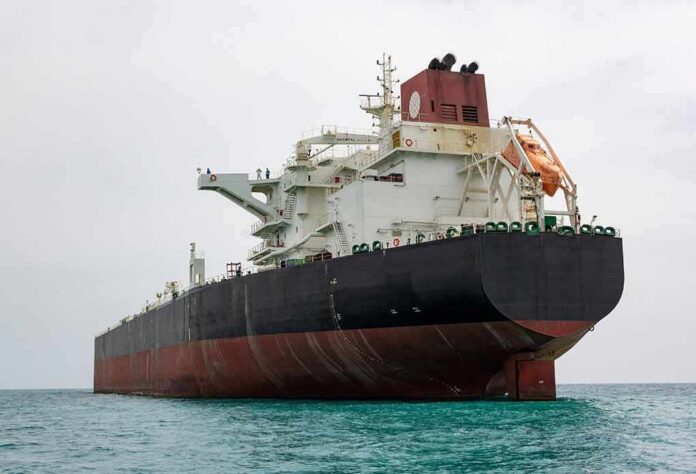
Bessent said the goal is to stop cash that fuels the Islamic Revolutionary Guard Corps and related operations. Treasury said its teams are mapping brokers, shell firms, and a “shadow fleet” of tankers that move Iranian crude with masked identities and ship-to-ship transfers. This plan pairs new sanctions with tighter enforcement of old rules, using long-standing Iran authorities under the Office of Foreign Assets Control to block transactions and list offenders on the Specially Designated Nationals roster.
Who Is Being Targeted Across The Network
The Office of Foreign Assets Control has designated vessels, shipping companies, and intermediaries tied to Iran’s illicit petroleum exports. Prior actions hit nearly a dozen tankers and many firms in the shipping chain. Treasury statements say these actors helped move crude and hide payments through front companies and foreign brokers. Later waves expanded pressure on networks moving oil revenue into ballistic missile and advanced weapons production, and on entities procuring sensitive technology for the regime.
Officials stressed this is about identifiable chokepoints, not blanket punishment. Actions name specific ships, logistics managers, and finance nodes across several jurisdictions. Treasury said it will keep adding entities that try to reroute trade or switch to new payment rails. Bessent framed the effort as isolating every remaining lifeline that keeps the regime funded and dangerous. The department said it is ready to expose and penalize third parties that knowingly enable evasion.
Claimed Financial Impact And The Evidence Question
Bessent said Treasury has disrupted tens of billions of dollars in Iran’s projected oil revenue during this push. He also said teams froze nearly half a billion dollars in regime-linked cryptocurrency and disrupted hundreds of billions in illicit financial flows. These numbers, if sustained, would mark a major hit to the regime’s budget. They would also raise risk for banks, shippers, and insurers that touch suspect cargo or money tied to Iranian petroleum.
The strongest figures come from Treasury’s own statements. The public record here does not include an outside audit or independent modeling that verifies the claimed totals. Reporting and releases do document repeated designations of vessels and firms, and a broadened sector focus. But the record does not show the underlying evidentiary files for each designation or a full causal chain from sanctions to lasting changes in Tehran’s behavior.
Iran’s Pushback And How To Weigh It
Iran’s Foreign Ministry called the measures economic warfare and a violation of international law, saying they harm ordinary Iranians and infringe on sovereignty. Officials warned other countries against joining the U.S. effort and said secondary sanctions lack legal basis. Outlets reported Tehran labeling the campaign a “declaration of war” on all nations, and urging plans to “overcome” what it calls unjust sanctions. These are Iran’s claims, not findings by a U.S. court or agency.
Treasury Secretary Scott Bessent Announces, "Operation Economic Outcast" Against Iran – Video and Transcript https://t.co/GbO6eQcUuV
— zmbywoof (@zmbywoof10) August 24, 2026
For American readers, the stakes are clear. This campaign aims to cut off money that fuels Iran’s missiles, cyber operations, and global proxies. Sanctions let the United States defend its people without firing a shot, by using the dollar system to hit lawbreakers where it hurts. The Trump administration says it will keep closing gaps and punishing any facilitator who helps Iran dodge the rules. That pressure puts America’s security and our allies first.
Sources:
youtube.com, breitbart.com, ofac.treasury.gov, home.treasury.gov, wsj.com, hsfkramer.com