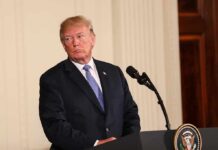

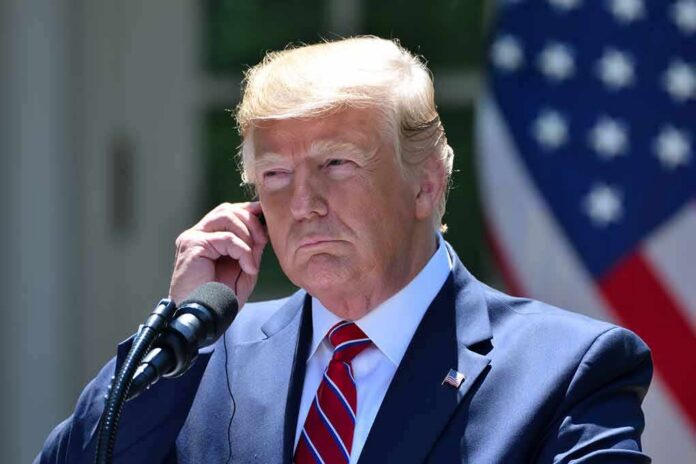
At Mount Rushmore, President Trump drew a sharp line inside the right, declaring communism a “mortal threat” and challenging critics like Tucker Carlson, Marjorie Taylor Greene, and Thomas Massie to pick a side.
Story Highlights
- Trump warned that Americans must choose patriotism over communism, framing a clear moral test.
- Carlson, Greene, and Massie formed a visible anti-war faction after breaking with Trump over Iran policy.
- Reports say the bloc discussed third-party options and broader disputes over Israel and records transparency.
- The split reflects a fight over foreign policy, movement identity, and what “America First” means today.
Trump’s Mount Rushmore Line: Patriotism Versus Communism
President Trump told a packed Mount Rushmore crowd on July 3 that communism is a mortal threat to American liberty. He said Americans cannot be both communist and patriotic. He cast the choice as simple and urgent. His message put loyalty to the nation above any ideology. He linked today’s fights over culture, schools, and speech to that threat. He vowed the United States will never become a communist country under his watch.
Trump’s language matched weeks of speeches driving the same theme. He has used strong terms to rally voters around faith, family, work, and national pride. He tied rising censorship, attacks on police, and border chaos to left-wing ideology. He argued that soft-on-crime ideas and bureaucratic overreach weaken American freedom. He warned that foreign adversaries cheer when the left undermines energy, defense, and secure borders. He said the answer is unity around the flag and the Constitution.
An Open Break on Iran and Foreign Wars
At the same time, a right-leaning anti-war faction broke with the White House over Iran policy. Politico reported that Tucker Carlson, Representative Marjorie Taylor Greene, Representative Thomas Massie, and allies met to coordinate their message. They said they want no more foreign wars. Greene wrote that Trump had betrayed that promise. The meeting signaled a real split, not just online noise. It showed public frustration over strikes and the scope of U.S. action.
Axios detailed how Carlson floated third-party talk and unveiled a platform aimed at rolling back foreign entanglements. The report described Carlson as the intellectual hub of a small, vocal group of MAGA exiles. It tied their stance to disputes over Iran, Israel policy, and the push to release Epstein-related files. That widened the clash beyond a single decision. It showed the fight is also about transparency, donors, and who defines “America First” in 2026.
What Each Side Says “America First” Means
Trump’s camp argues peace comes through strength and moral clarity. They see border security, energy dominance, economic growth, and a strong military as the best way to deter war. They say communism spreads when America is weak at home and timid abroad. They frame hard lines on enemies as common sense. They say the family, the church, and the Constitution must beat state power, radicals in schools, and global bureaucrats who do not answer to voters.
The dissenters focus on Congress’s war powers and the cost of foreign fights. Massie’s record shows a steady non-interventionist view and support for measures that limit conflict without a direct vote of lawmakers. Greene says voters were promised no more wars, then saw strikes they did not want. Carlson argues the Iran war was a grave mistake that strays from the base’s mandate and drains focus from our border and economy. Their case rests on restraint first.
Why This Matters for Conservative Voters
The split tests whether “America First” is about tough posture abroad or near-total restraint. It also tests which threats matter more. Trump spotlights a creeping left-wing push into schools, media, and government. He links that to higher taxes, speech controls, and open borders. His critics inside the right warn that new wars raise costs, feed inflation, and empower unelected planners. Both sides claim to defend the Constitution and working families, but they differ on methods.
What is so hard for Canadians to understand about Carney pulling Canada toward communist China and using anti-Trump rhetoric?https://t.co/hhdWH7ANSC
— Ivanka (@Ioanka2073750) August 22, 2026
For readers worried about overreach, the stakes are high. The country still faces inflation pain, energy shocks, and a lawless border. Voters want leaders who protect police, cut red tape, and unleash American energy. They also want Congress to debate war openly. The reporting shows a real family fight, not a media mirage. It is about power, priorities, and defining patriotism. The outcome will shape the right’s message heading into the next round of elections.
Sources:
townhall.com, politico.com, aljazeera.com, wsws.org, mediaite.com, foxnews.com, thehill.com