
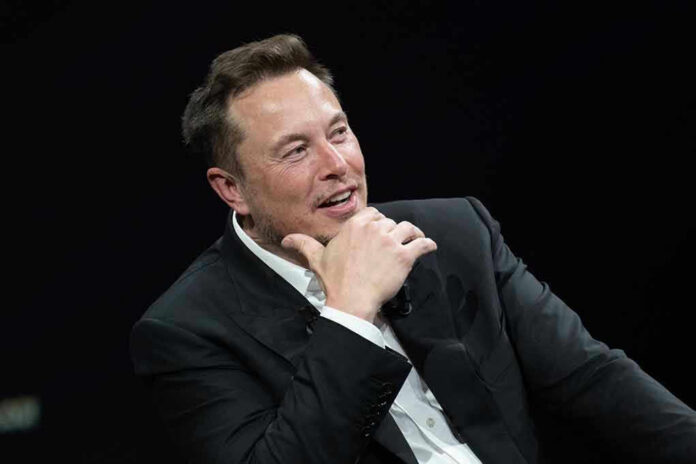
Elon Musk poured hundreds of millions into 2026 races and still learned the hard truth: money alone cannot buy elections.
Story Highlights
- Musk spent roughly $446 million in 2026, topping donor lists, yet saw few wins.
- Texas was a major focus with more than $200 million deployed, but key Republicans lost.
- Reports counted only three wins out of dozens of Musk-backed House contests.
- Musk later called his midterm spending “pretty foolish,” acknowledging poor returns.
Musk’s Record Spending And The 2026 Reality Check
Federal filings and news reports show Elon Musk became the cycle’s biggest individual donor by early November 2026, with around $446 million spent as overall midterm costs hit historic levels. Despite that flood of cash, Republicans he backed underperformed in many targeted races. Reports identified only three wins out of 37 House contests linked to his support, with 33 losses, underscoring that saturation ads and outside buys did not secure the map he wanted.
Texas drew a major share of the push. Coverage detailed more than $200 million steered into the state for marquee fights, including support for Republican figures who ultimately fell short against Democrats. That concentration aimed to flip headlines and drive turnout. It instead showed the ceiling of paid messaging when voters judge candidates on records and local concerns that cannot be airbrushed by national money or last‑minute ad blitzes.
What The Results Say About Money’s Limits
Academic work long suggested spending matters most for challengers trying to gain name recognition. A well‑known study found challenger dollars can move votes more than incumbent dollars, which often buy diminishing returns. But 2026 was a reminder that even very large outside checks cannot overcome weak fits, scandals, or a tough environment. Analysts and outlets reported that Democrats won widely even where Republicans and their allies outspent them, breaking the simple “more money, more votes” instinct.
Post‑election analysis also flagged a basic point: heavy spending often chases close races, which already lean on other forces like incumbency, local issues, and candidate quality. That means money can help a campaign compete but cannot force voter approval. After the results, Musk himself admitted the spree was “pretty foolish,” a rare public concession from a megadonor that checkbooks do not substitute for trust built with voters over time.
Why Conservatives Should Care Beyond 2026
Conservatives should take two lessons. First, ground game, message discipline, and trusted messengers beat raw ad volume. Voters in 2026 weighed pocketbook pain, border chaos, and cultural overreach, but they also demanded credible fighters who speak plainly and show results. Second, centralized big‑donor strategies can backfire when they drown out local voices. Grassroots energy, community ties, and clear contrasts on crime, inflation, and parental rights remain the winning edge for the right.
The media framed Musk’s effort as a failed billionaire gamble, but the deeper takeaway is tactical. Spending is a tool, not a plan. Campaigns must start early, define issues in simple terms, and recruit candidates with clean records who can press constitutional rights, secure borders, and sane budgets. That mix aligns with common‑sense conservative values and cuts through noise. When campaigns do that work, outside support amplifies a tune people already want to hear, instead of paying to change the station.
What Comes Next For 2028 And State Races
Looking ahead, the right should invest first in people and plans, then in ads. Recruit candidates who know their districts, defend the Second Amendment, protect parents’ say in schools, and confront illegal immigration and high energy costs with clear steps. Use data to talk with real voters, not just at them. Target spending to lift turnout operations, bilingual door‑knocking where needed, and trust‑building local media, rather than late carpet‑bombing with national talking points.
Musk’s 2026 experience does not mean money is useless. It means money must serve strategy. When resources back authentic messengers with strong records and a ground game, they can close small gaps and protect narrow leads. When dollars try to paper over weak fits or muddled messages, they vanish fast. The scoreboard from 2026, and Musk’s own admission, make that clear enough for anyone planning the next fight.
Sources:
seattletimes.com, bbc.com, cnbc.com, usnews.com, cambridge.org, bbc.co.uk