
A viral clip shows Rep. Marjorie Taylor Greene blaming President Trump for $6.20 gas, while the record shows global shocks and oil company pricing are the real fight.
Story Snapshot
- Marjorie Taylor Greene tied a $6.20 pump price to President Trump in a viral video.
- News reports show the White House pressed oil giants over alleged price gouging.
- Global conflict and crude volatility drove major price swings in 2026.
- Trump named ExxonMobil and Chevron and urged lower retail prices.
What Greene Said And Why It Hit A Nerve
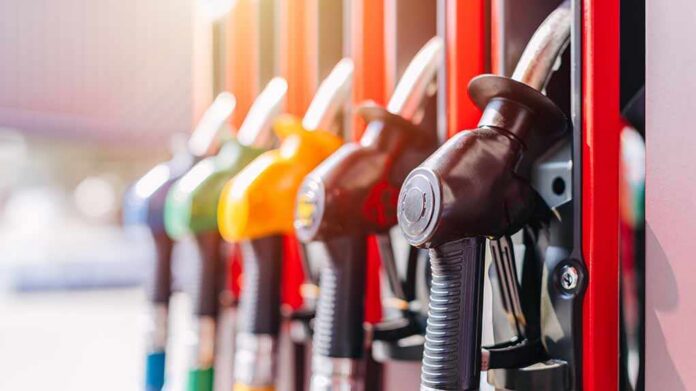
Rep. Marjorie Taylor Greene stood before a $6.20 per gallon station sign and said the pain was “Trump’s fault,” sparking a wave of outrage and confusion online. The clip struck a chord because families feel every dime at the pump. Voters often blame whoever sits in the Oval Office. But this charge needs context. Gas prices reflect crude costs, refining limits, taxes, and local rules. A single post cannot settle that mix, especially in a year rocked by war and supply shocks.
Reporters documented that President Trump did not shrug at the pump spike. He publicly called out Big Oil and told the Department of Justice to review whether companies were keeping prices high even as crude costs eased at times. That move framed the problem as a potential market failure, not just “bad luck.” It also showed the administration was trying to force retail relief for drivers. Whether that probe proves price gouging will matter for future action.
What Drove Prices Higher In 2026
Journalists tied a large part of the surge to the Iran conflict, which rattled global oil supply and futures markets. When missiles fly in the Gulf, crude jumps. That raises wholesale gasoline costs. Retail prices then climb, and they often fall more slowly on the way down. Economists call this “rockets and feathers,” and it makes price pain feel worse and last longer. None of that starts at the corner station sign; it starts with world crude and refinery margins.
Trump’s own energy comments reflected this picture. He said oil companies were making “too much money” and should “cut the retail price” for consumers. He singled out ExxonMobil and Chevron and pressed them to pass savings to drivers faster when crude dropped. Those statements undercut the claim that he “wanted” high prices. They show a White House pushing for relief and threatening legal review if firms dragged their feet. That is not a free pass for industry behavior.
The Policy Versus Market Debate
Greene’s clip suggests a clean line from the Oval Office to the pump. The record is messier. Presidents can influence supply by easing sanctions, expediting permits, or using the Strategic Petroleum Reserve. News reports said Trump weighed steps to cool prices during the Iran crisis, including sanction changes that could add barrels to the market. That weighs against a simple blame line. It shows the administration testing tools to offset war risk and protect families at the pump.
Trump is increasing supply. He just made a deal with Venezuela.
The United States and Venezuela announced a sweeping oil framework agreement giving the U.S. access to 65 billion barrels of reserves across 17 fields, alongside subsequent private sector commitments from…
— ETM (@1exposethemedia) September 17, 2026
Greene’s frustration with $6-plus gas is real. So is the anger of commuters and small businesses burning cash on fuel. But pointing only at Trump lets others off the hook. State taxes and regulations add up. Environmental rules can choke local refining. And if oil majors hold margins high when crude eases, drivers pay longer. The White House naming names put those questions on the table. Now investigators and market data need to answer them with proof, not clips.
What To Watch Next
Drivers should watch three lanes. First, global headlines: if the Iran conflict cools, crude can slide, and pumps follow with a lag. Second, company behavior: if wholesale costs fall and retail prices do not, that gap should narrow or face scrutiny. Third, policy moves: faster permits, smarter storage policy, and steady domestic output help shield families. The bottom line is simple: Americans deserve honest pricing, steady supply, and leaders who fight for both.
Sources:
mediaite.com, politico.com, cnn.com, reason.com