

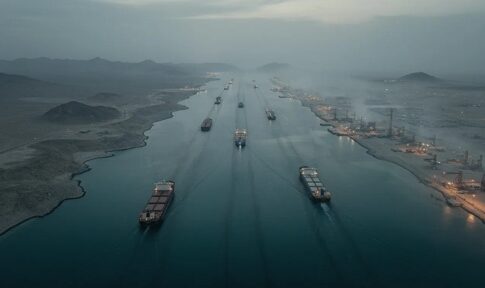
U.S. Navy launches blockade of Iranian ports today, risking global fuel chaos after Tehran’s failed diplomacy and strait strangulation.
Blockade Activation and Timeline
President Donald Trump ordered the U.S. Navy to blockade Iranian ports and coastal areas in the Arabian Gulf and Gulf of Oman effective 10 a.m. ET on Monday, April 13, 2026. U.S. Central Command announced the measure Sunday after weekend peace talks in Islamabad, Pakistan, collapsed. Vice President JD Vance led U.S. negotiations but departed empty-handed over Iran’s refusal to meet American red lines. The blockade specifically interdicts vessels entering or exiting Iranian ports while sparing those transiting the Strait of Hormuz to other nations. This partial enforcement aims to restore free navigation crippled by Iranian tolls and sea mines.
Failed Diplomacy and War Background
The U.S.-Iran war erupted six weeks ago in early March 2026 when Iran seized control of Strait of Hormuz traffic, imposing tolls and planting mines that disrupted 20% of global energy supplies. A brief two-week ceasefire last week permitted limited tanker passage but failed to lift Iran’s controls. On Saturday, April 12, two U.S. guided-missile destroyers transited the strait for the first time since hostilities began, joined by three supertankers. Iranian forces threatened retaliation as Trump posted directives to clear mines and halt toll-paying ships. This escalation underscores America’s commitment to energy security and limited government overreach abroad, prioritizing U.S. interests amid elite diplomatic failures.
Stakeholder Statements and Reactions
Trump declared on Truth Social: “Blockade Ships Entering or Exiting Iranian Ports on April 13 at 10:00 A.M. ET,” followed by claims that Iran’s navy stands “completely obliterated – 158 ships.” CENTCOM issued notices to mariners affirming impartial enforcement with no barriers to non-Iranian traffic. Iran’s military spokesman Ebrahim Zolfaghari labeled the move “piracy,” warning of a “decisive response” and declaring no Gulf ports safe. Revolutionary Guards and Khatam Al-Anbiya command echoed threats of retaliation, possibly targeting the Bab el-Mandeb Strait. U.S. naval superiority contrasts Iran’s asymmetric tactics, highlighting power imbalances after failed Pakistani mediation.
Economic Impacts and Risks
The Strait of Hormuz chokepoint funnels 20% of world oil and fertilizers, making the blockade a direct blow to Iran’s economic warfare. Short-term fuel shortages loom with oil price surges already hitting global markets; supertankers face delays as U.S. forces clear Iranian mines. Long-term, prolonged conflict risks broader Middle East war, disrupting trade and hiking energy costs for American families. Gulf states and commercial mariners bear immediate brunt, echoing conservative frustrations with globalist policies that left the U.S. vulnerable. Both left and right decry federal inaction on such crises eroding the American Dream of affordable living through hard work.
Broader Implications for America
This naval action reinforces President Trump’s America First doctrine, rejecting endless elite-driven diplomacy that empowers adversaries like Iran. Conservatives applaud restoring navigation and fossil fuel access against renewable obsessions that spiked U.S. energy costs. Yet shared bipartisan anger grows over government failures—Democrats obstructing, deep state elites prioritizing reelection over citizen prosperity. Risks of Iranian retaliation heighten tensions, but U.S. resolve protects liberty and economic stability. Limited data on post-10 a.m. clashes exists; vigilance remains key as war prolongation threatens worldwide shortages.
Sources:
OPB: U.S. military will block ships from Iran’s ports after talks fail
Fox News: Trump-Iran blockade Strait Hormuz live updates
CBS News: Iran war US Iran ports blockade Strait of Hormuz Trump live updates
Channel News Asia: Trump Strait Hormuz naval blockade US-Iran war