

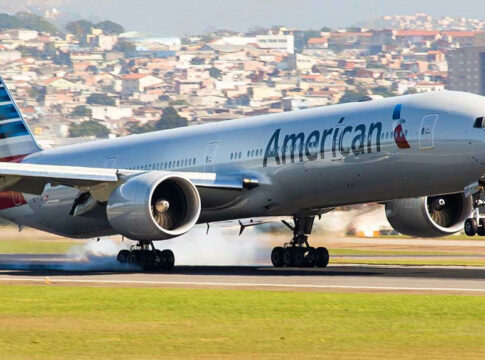
A major airline is slashing over 1,000 flights through May as skyrocketing fuel costs driven by Middle Eastern conflict force the industry into crisis mode, threatening summer travel plans and your wallet.
Geopolitical Turmoil Hits American Travelers Hard
Iranian attacks on the Strait of Hormuz and escalating military operations have disrupted global oil shipments, sending Brent crude prices soaring from approximately $60 per barrel in January 2026 to over $100 by mid-March. This 60% surge directly threatens American families with gas prices climbing above $4 per gallon and airfare increases during peak travel season. Most U.S. carriers stopped fuel hedging decades ago, leaving them completely vulnerable to price volatility without protective contracts. This strategic failure now means American passengers will absorb the full brunt of these international disruptions while competitors like Delta maintain partial protection through refinery ownership.
Airlines Choose Flight Cuts Over Fare Hikes
Air New Zealand announced the cancellation of 1,100 flights between March and early May 2026, disrupting travel plans for more than 44,000 passengers. CEO Nikhil Ravishankar characterized the fuel price spike as “unprecedented,” though he maintained that managing such volatility remains standard airline practice. The carrier chose capacity reduction over immediate fare increases, representing the most aggressive operational response among major airlines. This approach differs from competitors who are rapidly implementing surcharges and fare hikes, but the result for travelers remains the same: fewer seats and limited options during spring break and summer vacation planning periods.
International Carriers Lead Price Surge
Qantas Airways raised fuel surcharges by up to $50 on routes to Europe and North America, with U.S. flights jumping from $150 to $200 in additional fees. Thai Airways implemented 10-15% fare increases while warning that tickets will be “extremely limited” over the next two weeks. Cathay Pacific CEO Ronald Lam revealed fuel costs have “already doubled” in March, announcing imminent surcharge increases. Air France-KLM raised long-haul fares effective March 11, while South African carrier FlySafair added fuel surcharges ranging from $4 to $18 per flight. These aggressive international moves telegraph what American travelers should expect from domestic carriers within weeks.
U.S. Carriers Poised to Follow
United Airlines CEO Scott Kirby warned that high oil prices will have a “meaningful” effect on fares, potentially extending into the second quarter if Middle Eastern conflict continues. Analysis suggests U.S. domestic fares would need to increase by at least 11% to offset current fuel costs, yet American carriers have not yet announced price hikes. This delay creates a narrow window for travelers to lock in current rates before inevitable increases. Travel industry experts from The Points Guy advise booking summer flights immediately, noting that June and July represent the historically busiest and most expensive travel months even without the current fuel crisis.
Limited Options Expose Industry Vulnerabilities
The crisis reveals structural weaknesses in airline industry preparedness, particularly the abandonment of fuel hedging by most U.S. carriers. Delta Air Lines maintains partial insulation through its Pennsylvania-based Trainer refinery ownership, creating competitive advantages that could reshape industry dynamics. American, Southwest, and United lack such protection, leaving passengers vulnerable to external price shocks beyond airline control. Travel expert Gary Leff predicts that if fuel prices force schedule cuts, passenger demand will chase fewer seats, driving prices even higher. This combination of reduced capacity and sustained high fuel costs threatens to make marginal routes permanently unprofitable, potentially abandoning regional communities and consolidating service to high-demand corridors only.
Major airline cancels over 1,000 flights as oil prices soar – with cuts expected for months https://t.co/sF17ryV9Et pic.twitter.com/J44nEcRYN4
— New York Post (@nypost) March 13, 2026
The timing hits American families particularly hard during peak travel season preparation. With 44,000 passengers already disrupted by Air New Zealand alone, and Thai Airways limiting ticket availability immediately, the summer vacation window is closing rapidly. Industry experts warn that delay means paying significantly more or finding no available seats at any price. This represents yet another consequence of international instability directly impacting hardworking Americans trying to reunite with family or take earned vacations, while airlines that failed to hedge against predictable volatility pass costs directly to consumers with no accountability for their lack of preparation.
Sources:
Airlines raise prices, cancel flights due to fuel costs – Business Insider
Airlines may cut flight schedules as Iran tensions drive up fuel costs – Fox News