

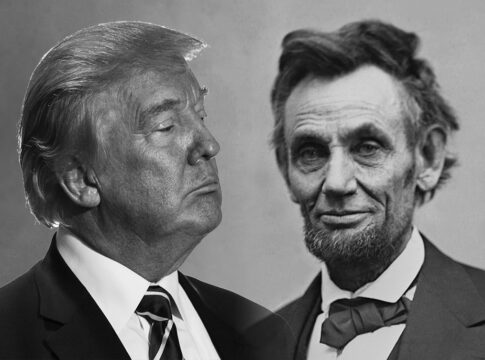
Donald Trump’s 2025 executive orders sparked immediate state lawsuits, proving constitutional checks still restrain even the boldest presidential power grabs since FDR.
Framers crafted Article II with deliberate vagueness after the weak Articles of Confederation demanded a strong executive without monarchy. The Decision of 1789 affirmed unilateral removal power, setting precedent for expansions like Jackson’s spoils system. Checks through Congress, courts, and federalism balanced this from the start. Early laws such as the 1807 Insurrection Act allowed troop deployments amid fuzzy definitions like “insurrection,” foreshadowing modern ambiguities exploited in crises.
Lincoln and FDR Test Boundaries in Crisis
Abraham Lincoln suspended habeas corpus in 1861 during the Civil War; Congress later ratified it. Franklin D. Roosevelt deployed Executive Order 9066 in 1942 for Japanese internment under the Alien Enemies Act, upheld in Korematsu v. United States (1944). FDR’s New Deal programs met Supreme Court rejection in Schechter Poultry v. United States (1935), ruling no excessive legislative delegation to the president. Gold Clause cases struck down his gold hoarding order. These actions revealed crisis-driven surges checked by judiciary.
Post-WWII Laws and Modern Theories Emerge
Congress passed the 1973 War Powers Resolution, capping military engagements at 60-90 days without approval. George W. Bush advanced unitary executive theory through signing statements in the 2000s. Barack Obama and both Bushes stretched these limits. Donald Trump’s first term (2017-2021) invoked broad Article II claims. Agencies like the Federal Reserve gained quasi-independence, limiting removal and creating intra-executive tensions. Congressional power cessions to bureaucracies reduced oversight, favoring presidents in foreign affairs.
Trump’s Second Term Ignites Fresh Challenges
July 2024 Supreme Court immunity ruling expanded protections for official acts. January 2025 saw Trump’s initial executive orders prompt swift federal court suits from states, echoing historical federalism clashes. Trump cited Article II for sweeping authority; analysts flagged potential Alien Enemies Act use against cartels. Favorable legislative dynamics aid him, yet high turnover weakens sustained opposition. Judicial blocks loom large, testing immunity boundaries.
Expert Views on Power Dynamics
Harvard scholars Gerald Klarman and Feldman note crises spur surges like FDR’s WWII actions, but framers’ tools—elections, impeachment—endure despite global demands amplifying power. Fordham Political Review draws FDR-Trump parallels in executive overreach, with SCOTUS curbing New Deal excesses; Trump courts 14th Amendment risks. USSC emphasizes federalism and branches restraining executives amid national accountability pressures. Unitary theory proponents see wartime boosts, while Schechter Poultry warns extraordinary conditions do not enlarge power. History guides preventing imperial drift, aligning with conservative reverence for constitutional limits and common-sense federalism.
Sources:
Limits on Presidential Power from FDR to Trump | American Heritage
Presidential Power Surges | Harvard Law School
US Presidency: Past, Present, Future – Trump Impact | USSC
Limits on Presidential Power from FDR to Trump | Bunk History