

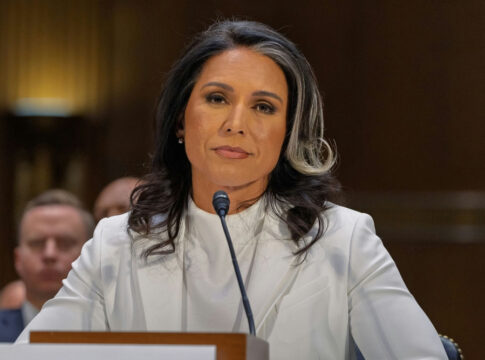
Director of National Intelligence Tulsi Gabbard faces allegations of suppressing a classified whistleblower complaint for eight months, raising serious questions about executive accountability and congressional oversight authority.
Eight-Month Concealment Raises Oversight Concerns
An unidentified intelligence official submitted a whistleblower complaint against Tulsi Gabbard in May 2025 through proper channels with the intelligence community’s inspector general. The complaint alleges wrongdoing that officials claim could cause grave damage to national security if publicly disclosed. For eight months, the complaint has remained secured in a locked safe within Gabbard’s agency, with her office preventing its transmission to congressional oversight committees. Attorney Andrew Bakaj, representing the whistleblower, contacted Congress in November 2025 after months of alleged stonewalling, stating it is confounding that transmission has taken weeks, let alone eight months.
WSJ: There is a whistleblower complaint against Tulsi Gabbard that is so sensitive that it is "said to be locked in a safe," and the administration has spent months trying to figure out how inform Congress. pic.twitter.com/69p9qVwlag
— Aaron Blake (@AaronBlake) February 2, 2026
Inspector General Finding Creates Questions
The intelligence community’s inspector general determined that allegations specifically targeting Gabbard lack credibility, yet simultaneously stated the complaint involves exceptionally sensitive materials requiring special handling. This creates an unusual situation where the inspector general couldn’t fully assess other claims within the complaint involving a separate federal agency and potential executive privilege concerns. The whistleblower’s attorney claims he was never informed of the credibility determination, highlighting communication failures within the oversight process. Democratic congressional staffers have attempted to access the complaint with little success, despite Congress’s constitutional authority to receive such information for oversight purposes.
Gabbard Diverted From Core Intelligence Duties
President Trump has notably sidelined Gabbard from typical national security responsibilities, instead tasking her with investigating his repeatedly debunked claims about the rigged 2020 election. Trump lost that election by 74 electoral college votes and 4.5 percent of the popular vote, facts confirmed by multiple audits and court proceedings. Gabbard has attended FBI raids at election facilities in Fulton County, Georgia, a location central to unfounded ballot fraud conspiracy theories. She has also spoken with foreign representatives about unproven election interference claims and is reportedly preparing a report on her investigation findings, raising questions about whether the whistleblower complaint relates to these activities rather than her core DNI responsibilities.
Whistleblower Protections Face Critical Test
This case exposes a fundamental flaw in intelligence community whistleblower protections when complaints target senior leadership. The accused official effectively controls the mechanism for transmitting complaints to Congress, creating an obvious conflict of interest. The whistleblower cannot even access their own complaint due to classification levels, an extraordinary circumstance that undermines accountability. Gabbard’s office maintains the complaint is baseless and politically motivated, yet refuses to allow Congress to make that determination through proper oversight channels. This stonewalling threatens the separation of powers and congressional authority to conduct meaningful intelligence oversight.
Constitutional Balance Hangs in Question
Congress holds constitutional responsibility for intelligence oversight, yet faces systematic denial of information necessary to fulfill that duty. The administration’s claim of exceptional sensitivity does not justify preventing elected representatives from accessing classified materials through established secure procedures. This situation establishes a dangerous precedent where intelligence officials can shield themselves from accountability by controlling complaint transmission processes. The complaint also allegedly involves another federal agency and potential executive privilege issues with the White House, further complicating oversight efforts. Without transparency and proper congressional review, the public cannot determine whether legitimate national security concerns or political self-protection motivates this eight-month concealment.
Sources:
Tulsi Gabbard Whistleblower Complaint on Classified Material Stalled – The New Republic
Tulsi Gabbard Whistleblower Complaint: What’s Being Kept Secret and Why – Economic Times
Trump Intelligence Chief Tulsi Gabbard – The Telegraph