

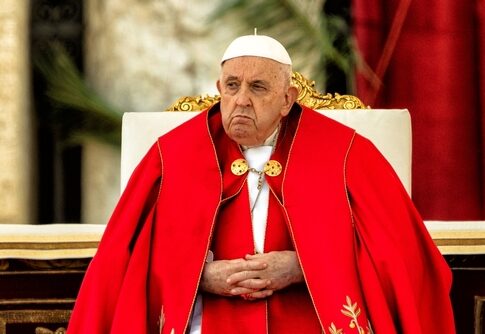
The death of a Roman Pontiff sets in motion a meticulously coordinated series of events, governed by the Apostolic Constitution Universi Dominici Gregis (UDG). This period, known as the Sede Vacante (Vacant See), involves a transfer of authority, the destruction of papal symbols, and the preparation for the secret election of a new Pope.
Phase 1: Confirmation of Death and Transfer of Authority
The process begins with the formal confirmation of the Pope’s passing and the immediate sealing of his official capacity.
- The Camerlengo Takes Command: The Cardinal Camerlengo (the Chamberlain of the Holy Roman Church) immediately assumes leadership of the Vatican’s temporal goods and rights during the Sede Vacante.
- Confirming the Death (The Silver Hammer Protocol): Confirmation used to be done using the Silver Hammer Protocol, where the deceased Pope’s head was tapped with a small silver hammer while his baptismal name was called out three times. While the hammer is no longer used, the Camerlengo still calls out the name three times before making the official declaration: “I declare that his Holiness Pope [Name] is truly dead.” Modern confirmation is backed by scientific instruments, such as an electrocardiogram (ECG).
- Sealing and Securing: The Camerlengo and his men immediately seal the Apostolic Palace and begin inventorying the Pope’s property to secure it from theft.
Phase 2: Securing the Office (The Sede Vacante)
The Sede Vacante period formally begins upon the Pope’s passing, with the College of Cardinals taking limited governance.
- Destruction of Symbols: To prevent forgeries and preserve the integrity of the office, the Pope’s symbolic items are destroyed:
- The Fisherman’s Ring (or Piscatory Ring), used to seal official documents, is either smashed (traditionally) or cut up in the pattern of a cross (as done after Benedict XVI’s abdication) in the presence of Cardinals.
- The Pope’s Lead Seal is also destroyed.
- Curia Resignations: All Heads of Dicasteries of the Roman Curia resign upon the Pope’s death. Only a few officials—including the Cardinal Camerlengo, the Major Penitentiary, and the Substitute for General Affairs—remain to maintain essential operations.
- Limited Authority: The College of Cardinals is entrusted with the governance of the Church but is restricted to handling only ordinary or urgent matters and preparing for the election. They cannot exercise any power that was exclusively the Pope’s.
Phase 3: Preparation for the Conclave
The Cardinals convene in Rome to hold two types of meetings: General and Particular Congregations. The General Congregations finalize the election preparations.
- General Congregations: These meetings include the entire College of Cardinals (electors and non-electors) and are presided over by the Dean of the College.
- Key Decisions: They must promptly deliberate on:
- Preparing accommodations for the electors at the Casa Santa Marta and setting up the Sistine Chapel.
- Appointing two ecclesiastics to deliver spiritual reflections to the Cardinals.
- Establishing the date and time for the start of the voting process.
- Public Mourning: Before the Conclave, the Pope’s body is prepared for public viewing. While past Popes were displayed on an elevated bier (canaletto), recent changes mandate placing the body in an open coffin. Embalming is optional (Pope John Paul II chose not to be embalmed).
Phase 4: The Conclave and Election
The Conclave is the secret, secluded electoral assembly that takes place in the Sistine Chapel.
- Cardinal Electors: Only Cardinals who are under 80 years old on the day the Sede Vacante begins are allowed to vote. They are housed at the Casa Santa Marta for the duration of the election.
- Secrecy and Oath: Before voting, the electors proceed to the Sistine Chapel. After taking an oath to maintain absolute secrecy regarding the election, the proclamation “Extra omnes” (“everyone out”) is made, sealing the chapel.
- Voting Rules:
- Voting is exclusively by secret ballot (methods like acclamation or compromise are abolished).
- A qualified two-thirds majority of the electors present is required for a valid election.
- Voting consists of one ballot on the first afternoon, followed by two ballots each morning and afternoon on subsequent days.
- Inconclusive Votes: If no Pope is elected after seven ballots, a break is taken for prayer and discussion. This cycle repeats until the two-thirds majority is reached.
Phase 5: The Announcement
Once a candidate is elected, the Conclave ends immediately.
- Acceptance and Name: The most senior Cardinal asks the elected candidate, “Do you accept your canonical election as Supreme Pontiff?” and “What name do you wish to be called?”
- Homage: The Cardinal electors pay homage and pledge obedience to the new Pontiff.
- The Announcement: The Cardinal Proto-Deacon announces the election to the world with the famous Latin phrase: “Annuntio vobis gaudium magnum; Habemus Papam” (“I announce to you a great joy; We have a Pope”).
- The Blessing: The new Pope immediately imparts his first Apostolic Blessing, the Urbi et Orbi (to the city and the world), from the Loggia of St. Peter’s Basilica.
This full process ensures that the transition of the Petrine Ministry is orderly, secure, and completed according to the established tradition.