

When political theater meets personal branding, the result can be both entertaining and damaging.
The Incident and Its Setting
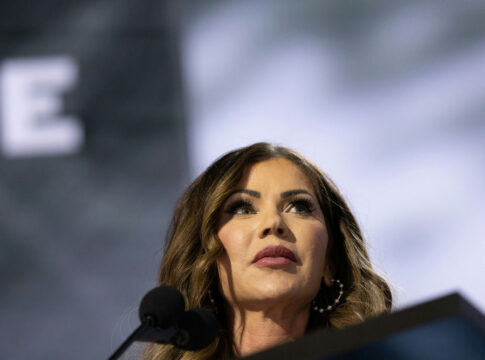
During a House committee hearing, Democratic Rep. Jared Moskowitz seized the opportunity to publicly mock South Dakota Governor Kristi Noem. This wasn’t just a chance encounter; it was a calculated moment in the political arena. Moskowitz ridiculed Noem’s choice of a guns-out cowboy costume photo, calling her an “embarrassment” and asserting that she “looks ridiculous.” This verbal jab was not just about her appearance; it was a critique of her broader political persona.
The backdrop of this confrontation is important. Noem has been under intense scrutiny following the release of her memoir, which includes controversial anecdotes such as shooting her dog and a fabricated meeting with Kim Jong Un. These stories, combined with her exaggerated cowboy persona, have made her a target for critics who argue she prioritizes image over substance.
Moskowitz on Noem: "Is she hiding her face like her ICE agents now? By the way — is this what the $800 billion went to? Every day we see her after some new tragedy, she's wearing a different outfit with a different hat. She looks ridiculous. She's not just an embarrassment to… pic.twitter.com/N74kbMCdfD
— Aaron Rupar (@atrupar) January 8, 2026
The Broader Narrative
The Moskowitz-Noem exchange is part of a larger trend where Democrats leverage humor and ridicule to highlight what they perceive as GOP extremism. The viral nature of these exchanges, amplified by social media, underscores a shift in political strategy. By focusing on Noem’s cowboy costume, Moskowitz not only targeted her personal branding but also questioned her seriousness as a national figure.
This strategy is emblematic of the current political climate, where aesthetics and image can overshadow policy discussions. For Noem, the repercussions are significant; her image as a tough, Western conservative is now entangled with narratives of self-parody and performative politics.
Kristi Noem’s Political Journey
Noem’s rise in politics is intertwined with her distinctive personal branding. As the governor of South Dakota, she gained national attention during the COVID-19 pandemic by opposing mask mandates and shutdowns. Her image as a “freedom-first” conservative, complete with cowboy aesthetics, resonated with certain segments of the electorate.
However, the release of her memoir marked a turning point. The controversial stories within it, coupled with her flamboyant photo shoots, have undermined her credibility. What was once seen as a strong, Western persona has become fodder for her political opponents, illustrating the risks of leaning too heavily on image-driven politics.
The Impact of Public Ridicule
Noem’s experience serves as a cautionary tale for politicians who engage in culture-war branding. While such tactics can energize a political base, they also create vulnerabilities that opponents can exploit. Moskowitz’s public shaming of Noem highlights the potential consequences of prioritizing persona over policy.
For Moskowitz, the incident has bolstered his profile as a sharp critic of Republican figures. Yet, his approach is not without risks. A previous joke about Noem that played into racial stereotypes drew criticism from within his own party, underscoring the delicate balance between effective critique and offensive rhetoric.