

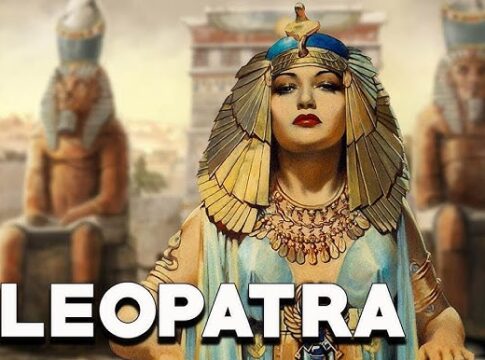
Hollywood myths and Roman propaganda have twisted the truth about one of history’s most powerful female rulers, but modern scholarship is finally setting the record straight about Cleopatra VII.
Greek Heritage Obscured by Modern Debates
Cleopatra VII descended from the Ptolemaic dynasty, a Macedonian Greek royal family that ruled Egypt after Alexander the Great’s conquest. She was the only Ptolemaic ruler known to have learned the Egyptian language and actively embraced Egyptian customs and religion. Despite her Greek bloodline, modern debates often misrepresent her ethnicity, overlooking the historical reality that she belonged to a Greek dynasty that had ruled Egypt for three centuries before her birth in 69 BCE.
Political Genius Over Hollywood Beauty
Roman sources praised Cleopatra’s intelligence, charisma, and linguistic abilities rather than physical beauty. Ancient coins and statues depict a strong, intelligent face rather than the legendary beauty portrayed in films. She spoke multiple languages and demonstrated exceptional diplomatic skills, challenging the Hollywood stereotype of a manipulative seductress. Archaeological evidence and scholarly analysis reveal a capable administrator who modernized Egypt’s economy and maintained relative prosperity during turbulent times.
Strategic Alliances Mischaracterized as Romance
Cleopatra’s relationships with Julius Caesar and Mark Antony served strategic political purposes aimed at preserving Egypt’s independence from Roman annexation. These alliances produced children who strengthened diplomatic ties and provided political leverage. Her partnership with Caesar secured Egypt’s autonomy, while her later alliance with Antony represented a final attempt to resist Octavian’s growing power. These relationships combined personal and political elements, demonstrating sophisticated statecraft rather than mere romantic entanglement.
Death Myths Rooted in Roman Propaganda
The famous story of Cleopatra’s death by asp bite lacks credible historical evidence and likely originated from Roman propaganda designed to romanticize her defeat. Modern historians suggest poison as a more probable cause of death, given the practical limitations of using venomous snakes for suicide. Octavian’s propaganda machine crafted narratives that portrayed Cleopatra as an exotic foreign threat, creating myths that persisted for over two millennia. These fabrications served Roman political interests by justifying Egypt’s annexation and diminishing her reputation as a formidable political opponent.
Contemporary scholarship continues challenging these persistent myths through archaeological research and critical analysis of ancient sources. The search for Cleopatra’s tomb at Taposiris Magna and ongoing academic reassessment of primary sources provide opportunities to separate historical fact from centuries of embellished storytelling and political propaganda.
Sources:
5 Myths About the Egyptian Queen Cleopatra
10 Facts About Cleopatra and 10 Myths
Cleopatra: Which Weird Facts Are Fakes?